The Science of Flavour: Why Your Coffee Tastes Different Depending on How You Brew It
For a long time, I wondered why the flavour of my coffee changed so much every time I brewed it using a different method, even when it was the same coffee. At times, I thought it was just my perception, that maybe I was overthinking it, or that my palate simply wasn’t consistent. Over time, […]
For a long time, I wondered why the flavour of my coffee changed so much every time I brewed it using a different method, even when it was the same coffee. At times, I thought it was just my perception, that maybe I was overthinking it, or that my palate simply wasn’t consistent.
Over time, I realized it wasn’t just in my head. It was completely real.
There are days when coffee tastes exactly the way you remember it: balanced, comforting, almost perfect. And other days, with the same coffee, the same brand, even the same routine, something feels different.
More acidic. More bitter. Flatter.
It’s not a coincidence.
It’s science.
And understanding it completely changes the way you relate to your cup.
Coffee Is Not Just Coffee: It’s a Chemical Experience
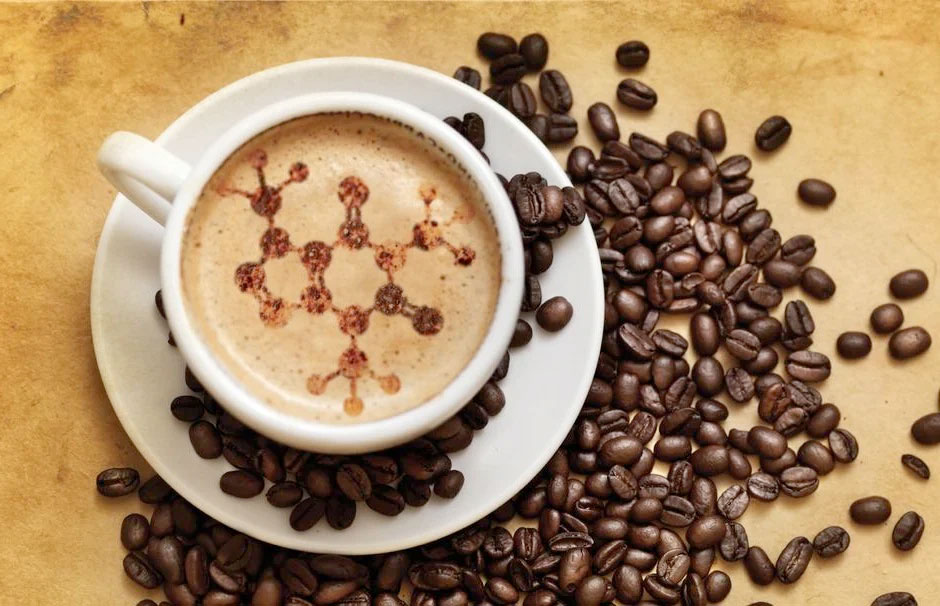
Coffee is a seed filled with natural compounds: acids, sugars, aromatic oils, and minerals.
When you brew coffee, you don’t simply “make” it; you extract it.
Each brewing method is a unique way of engaging with that seed. Some methods highlight sweetness, others acidity, while others focus on body. None is better than another: they tell different stories of the exact origin.
What Is a Flavour Profile?
When we talk about coffee flavour, we’re not just talking about “strong” or “smooth.” We’re talking about a sensory profile, made up of:
• Acidity: not bitterness, but freshness, brightness, liveliness.
• Sweetness: natural notes reminiscent of caramel, panela, or ripe fruit.
• Bitterness: depth, balance, structure.
• Body: how the coffee feels in your mouth (light, silky, intense).
• Aroma: what you smell before you even take a sip.
The magic happens when these elements are in harmony.
The Variables That Change Your Coffee (Even If You Don’t Notice)
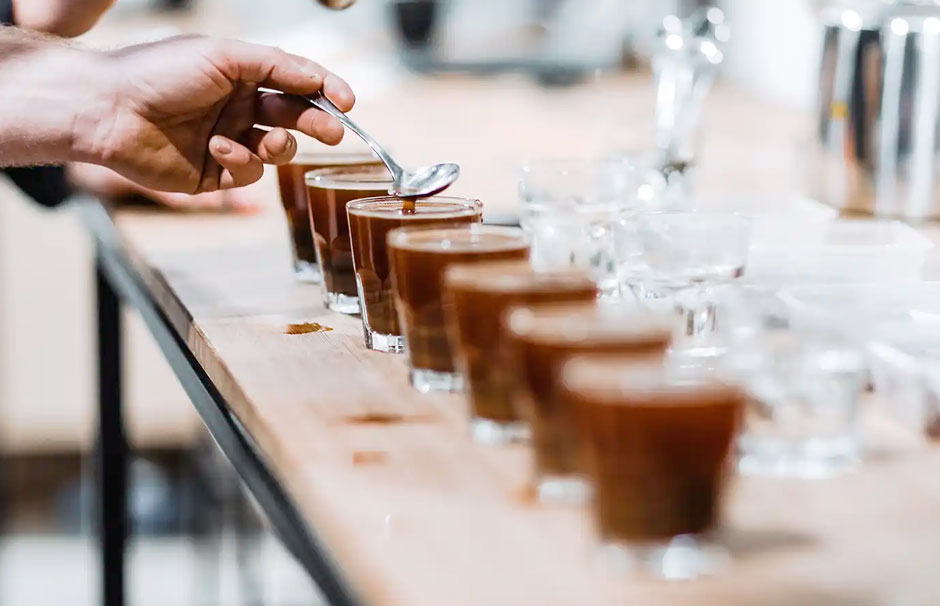
Here’s the key every curious reader should know:
Flavour changes because the extraction variables change.
1. Grind Size
• Coarse grind: water flows faster → cleaner, softer flavors.
• Fine grind: water stays longer → more intense flavours… and a higher risk of bitterness.
An incorrect grind can ruin even an exceptional coffee.
2. Water Temperature
• Hotter water extracts faster and more aggressively.
• Slightly cooler water softens the result and highlights sweetness.
Just a few degrees make a big difference.
3. Extraction Time
• Short extraction: acidic, light-bodied coffee.
• Long extraction: bitter, heavy coffee.
Time is the invisible clock of flavour.
4. Brewing Method
This is where the experience becomes fascinating:
• French press: full body, natural oils, a rich and enveloping mouthfeel.
• Filter methods (V60, Chemex): clarity, cleanliness, bright notes.
• Espresso: concentration, intensity, complexity in just a few sips.
The same coffee, three different narratives.
It’s Not That You Don’t Like Coffee… You Just Haven’t Found Your Way Yet
Many people say “I don’t like coffee” when they haven’t experienced coffee brewed in a way that resonates with their palate.
Understanding this transforms your relationship with coffee:
• it stops being routine,
• it becomes exploration,
• and eventually, a conscious ritual.
At Encanto Café, we believe that informed choices create more meaningful possibilities.
That’s why we speak of rituals, not rigid recipes.
Because coffee should never be imposed; it should accompany you.
Exploring methods, adjusting variables, and discovering what speaks to you is part of the enchantment. There are no right answers, only honest experiences.
A Small Exercise for Your Next Cup
The next time you brew coffee, change just one thing:
• adjust the grind size,
• or the coffee dose,
• or the brewing time.
Observe. Taste. Feel.
That’s where real learning begins.
And always remember that…
Coffee is a silent conversation between origin, method, and moment.
When you understand its science, you honour its essence.
And when you brew it with knowledge,
Your ritual is no longer automatic:
It becomes deeply your own.
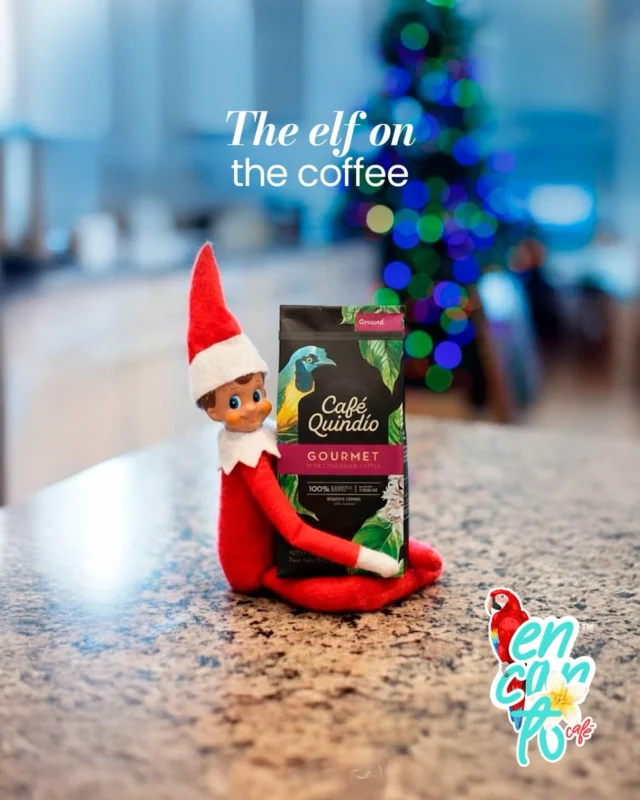
🎄✨ Plot twist this holiday season:
The Elf on the Shelf is back… and this year he’s more energized than ever 👀☕
What’s the secret? He’s sipping on the best Colombian coffee: Café Quindío 🇨🇴💙
Because even elves need great coffee to keep an eye on the mischief and spread Christmas magic 😌✨
Thanks to Encanto Café, this holiday season smells like freshly brewed coffee and cozy moments worth savoring, one sip at a time 🎅☕
#TheElfOnTheShelf #ElfPowered #CafeQuindio #EncantoCafe
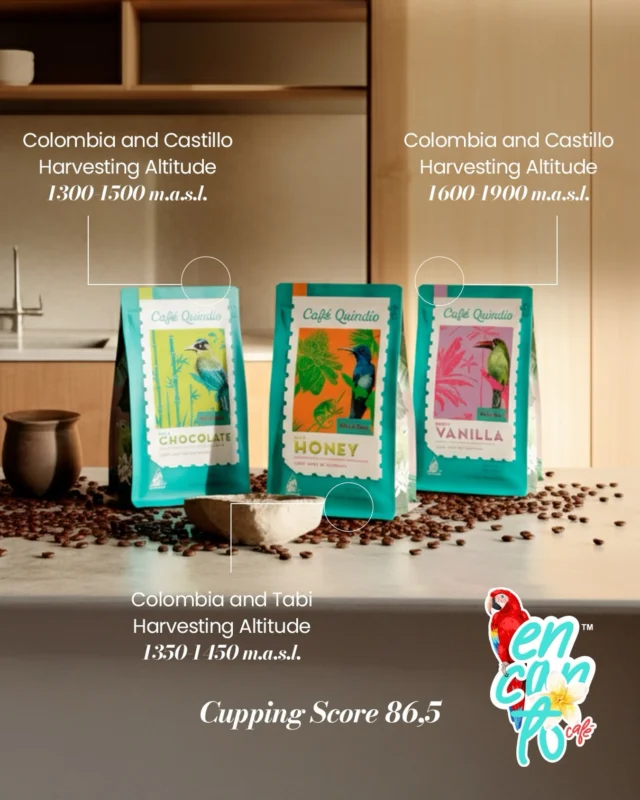
Discover the true flavors of Quindío with our Specialty Harvest Tripack — a curated selection of three exceptional coffees from Córdoba, Salento, and Circasia.
✨ Milk Chocolate: creamy notes of chocolate, cocoa, and brown sugar.
✨ Sweet Vanilla: hints of vanilla, pear, white caramel, and a soft ice-cream touch.
✨ Mild Honey: smooth honey sweetness with a fruity strawberry finish.
Each origin is a tribute to the land, crafted with passion and tradition to deliver a full sensory experience in every cup.
Find them now at www.encantocafestore.com and elevate your daily ritual with the best of Quindío. ☕💛
🎄✨ Ready for Christmas?
Our tree is looking extra magical this year… decorated with Café Quindío mini bags, exclusively available at Encanto Café! ☕💚❤️
Because the holiday season tastes even better with the aroma you love.
Would you add coffee to your tree too? 🎅🌟
#EncantoCafe #CafeQuindio #HolidayVibes #ChristmasSpirit #CoffeeLovers

✨If coffee had a rhythm… it would simply be bold.
Strong, comforting, warm, and full of character—just like every cup we brew at Encanto Café. ☕✨
Because great coffee doesn’t fit in a box… it just feels right. 💛
#EncantoCafé #CoffeeLovers #BoldLikeCoffee #CoffeeVibes

🎄✨ This Christmas, give the gift that sparks smiles and fills every moment with warmth.
With Café Quindío, every cup is a cozy hug from Colombia to your home. ☕❤️
Perfect for surprising, perfect for sharing… the ideal stocking stuffer, straight from Encanto Café! 🎁🌟
#EncantoCafe #CafeQuindio #HolidayGifts #ColombianCoffee

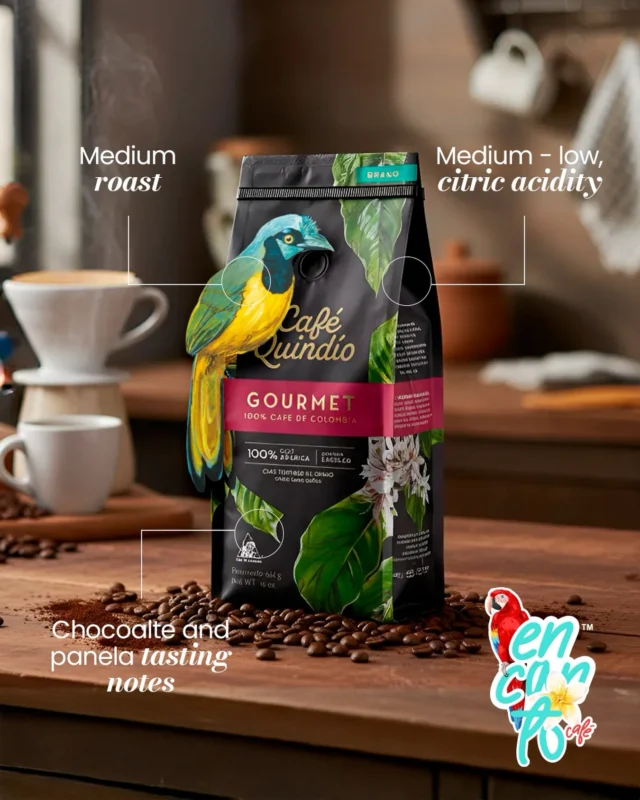
Discover the true essence of Colombian coffee with Café Quindío Gourmet ☕✨
A gem born in the heart of Quindío, crafted on farms dedicated to quality and tradition. Its deep notes of chocolate and panela, paired with a perfectly balanced body, create a warm, comforting, and unforgettable sensory experience.
At Encanto Café Store, we chose this coffee because it brings flavor, story, origin, and soul in every cup.
And if you’re in Canada, you can enjoy it anytime — order now at www.encantocafestore.com 🇨🇦💛
#CafeQuindio #EncantoCafe #GourmetCoffee #ColombianCoffee #CanadaCoffeeLovers SpecialtyCoff
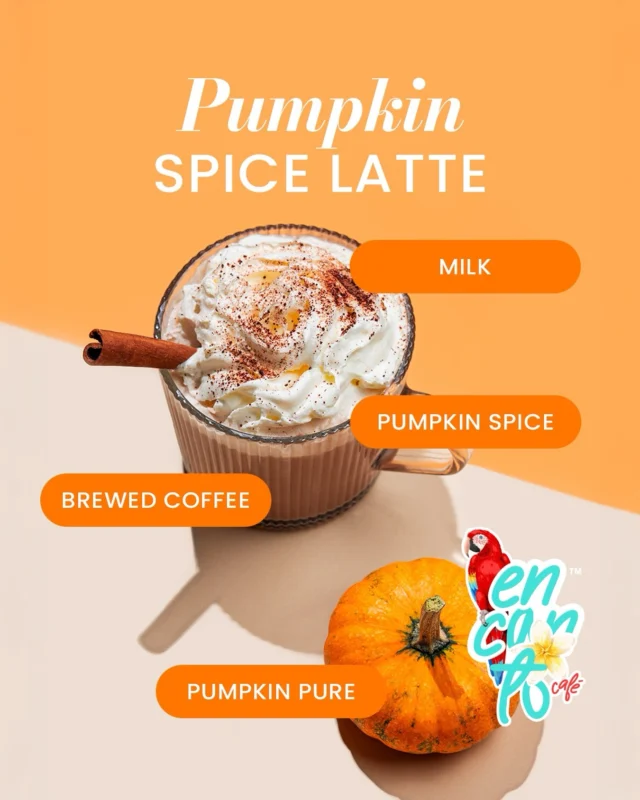
☕ Make the perfect Pumpkin Spice Latte at home
with the rich aroma of Café Quindío, available at Encanto Café.
Follow these simple steps and enjoy cozy fall vibes in every sip! 🍂✨
1️⃣ Brew your coffee base
Prepare a strong, aromatic cup of Café Quindío.
2️⃣ Create your pumpkin spice mix
In a small saucepan, combine:
– 2 tbsp pumpkin purée 🎃
– 1 tsp pumpkin spice
– 1 tsp vanilla
– 1–2 tbsp sugar (to taste)
3️⃣ Add the milk
Pour in 1 cup of milk and heat until warm, creamy, and well mixed.
4️⃣ Bring it all together
Add your freshly brewed Café Quindío and gently mix with the pumpkin blend.
5️⃣ The final touch
Top with whipped cream and a sprinkle of pumpkin spice. ✨
🍁 Enjoy a cozy, delicious Pumpkin Spice Latte
made even better with the unmatched flavor of Café Quindío, found at Encanto Café! ☕💛
#CafeQuindio #EncantoCafe #PumpkinSpiceLatte


☕✨ What’s your favorite recipe to brew coffee?
Everyone has their own ritual — French Press, V60, espresso, cold brew… each one tells a different story.
And just like there are many ways to brew it, at Encanto Café we offer a variety of Café Quindío options so you can enjoy the one that fits your style, your pace, and your daily moments. 🌿💛
How do you love to savor your coffee? ☕👇
#SpecialtyCoffee #CoffeeLovers #BrewYourWay #QuindioCoffee #EncantoCafe


There’s no better way to wrap up the afternoon —and the week— than with a delicious Quindío Coffee and some sweet meringues. ✨☕
A little charming treat to recharge your soul.
From Encanto Café, we invite you to enjoy the moment you truly deserve. 💛
#EncantoCafe #QuindioCoffee #SweetMoment #ColombianCoffee #GoodCoffeeGoodVibes

Beginning your journey into specialty coffee doesn’t have to be complicated ☕🌱
All it takes is curiosity, a love for small details, and the intention to create a meaningful moment in your day. In my newest article, I show you how to prepare your very first cup using a French Press — one of the simplest and most enchanting ways to start your coffee ritual ✨
Discover the full guide at www.encantocafestore.com 📖🌐

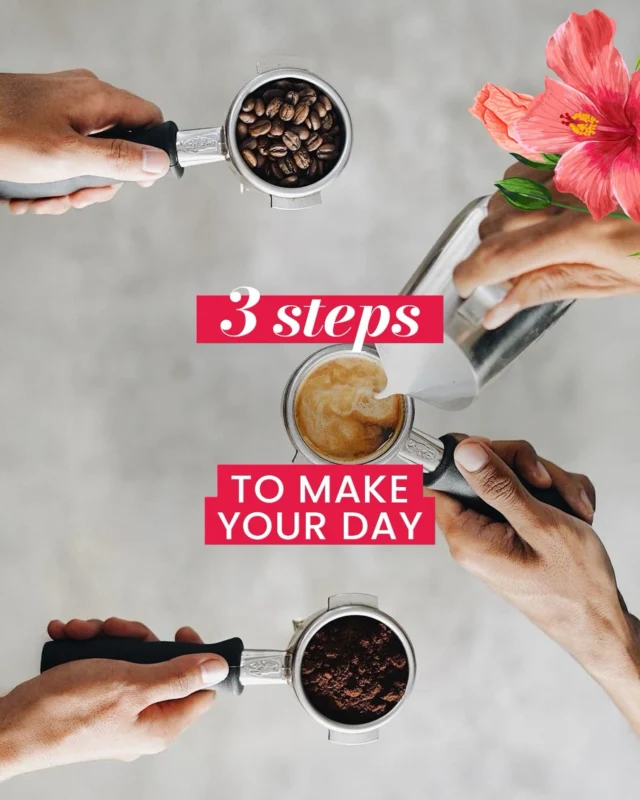
Discover the most authentic flavors of Quindío with our Specialty Harvest ☕✨
Three unique coffees from Córdoba, Salento, and Circasia come together to create a full sensory experience full of character, sweetness, and balance.
✨ Milk Chocolate: creamy notes of chocolate, cocoa, and brown sugar.
✨ Sweet Vanilla: vanilla, pear, white caramel, and a soft ice-cream touch.
✨ Mild Honey: smooth honey sweetness with fruity strawberry notes.
Each coffee is a specialty harvest grown with passion, care, and deep respect for the land. Three treasures from Quindío in one single pack—ready to turn your daily ritual into an unforgettable moment. 🌿💛
#SpecialtyCoffee #QuindioCoffee #ColombianCoffee #CoffeeLovers


✨ The Anatomy of a Cafecita Cookie, by Encanto Café ✨
Every bite has a story — and here’s what makes our Cafecitas so special:
🍪 A perfectly crisp texture that melts at just the right moment.
☕ A hint of coffee aroma that gives each bite its signature charm.
🍫 Delicate sweetness balanced with warm, comforting notes.
🤎 A handcrafted touch that makes every cookie feel like home.
At Encanto Café, our Cafecitas aren’t just cookies…
they’re little moments of joy in every bite.
#EncantoCafe #Cafecitas #SweetMoments #CoffeeCookies

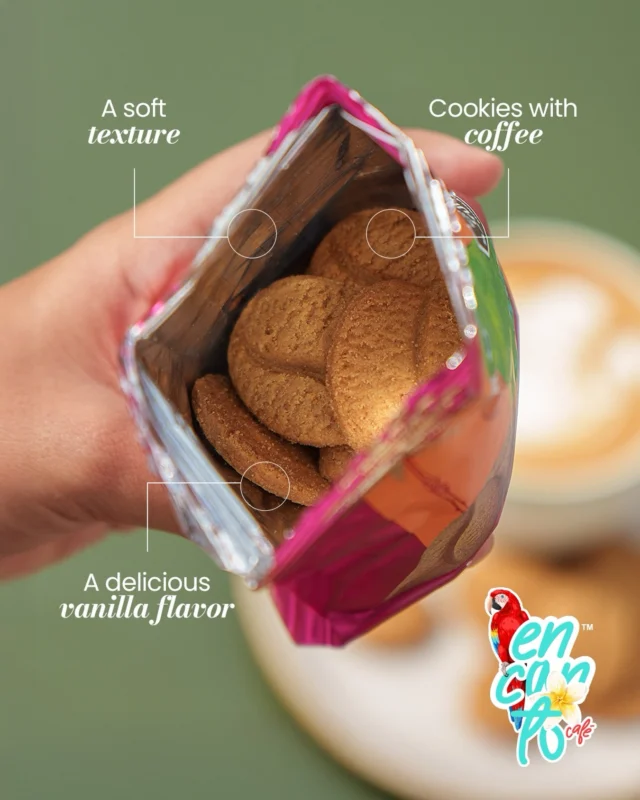
🌎✨ Encanto Café will be present at the Global Trade Update – Latin America ✨🌎
We are proud to participate in this exclusive event organized by the World Trade Centre Vancouver, in collaboration with the Consulates of Latin American countries in Vancouver and the Province of British Columbia.
This session will bring together business leaders, trade experts, and consular representatives to explore new opportunities for investment, innovation, and sustainable growth between Canada and Latin America.
👥 A unique space to connect, learn, and build strategic partnerships.
☕ And of course, Encanto Café will be there, sharing the flavor, tradition, and quality of Latin specialty coffee.
📅 November 20 - 2025 / The University of British Columbia - UBC Robson Square 800 Robson St Vancouver.
The event will take place in Auditorium C300
Tickets: https://www.boardoftrade.com/events/8046
Join us as we help strengthen economic and trade ties between regions full of talent, vision, and potential.
#EncantoCafe #GlobalTradeUpdate #LatinAmerica #WTCVancouver

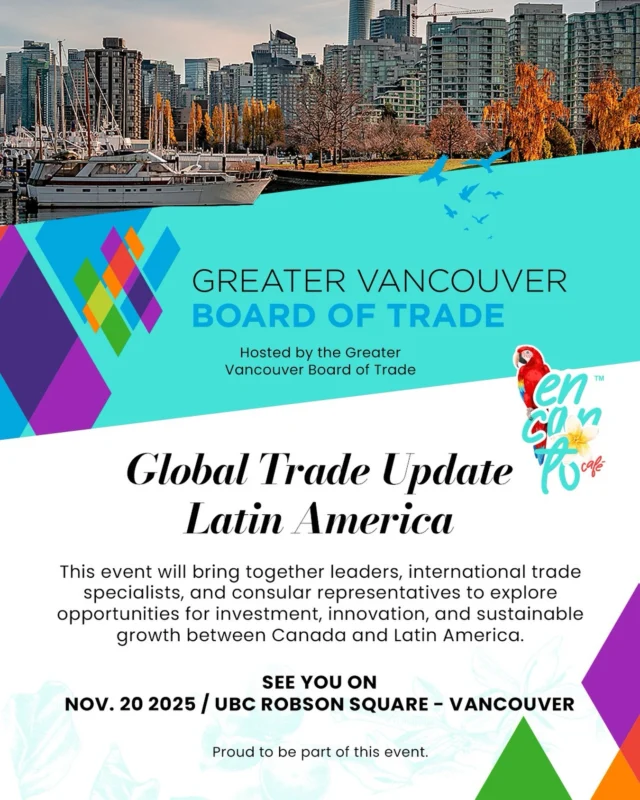
☕✨ For true coffee lovers, this one’s irresistible!
Our Sweet Encanto combo brings together the best of both worlds — a fragrant, full-bodied coffee paired with soft, luscious caramels infused with real Colombian coffee.
It’s a moment to savor, where tradition and sweetness meet in every sip and bite. 💛
👉 Find it now at www.encantocafestore.com
#EncantoCafé #SweetEncanto #ColombianCoffee #CoffeeLovers #SpecialtyCoffee

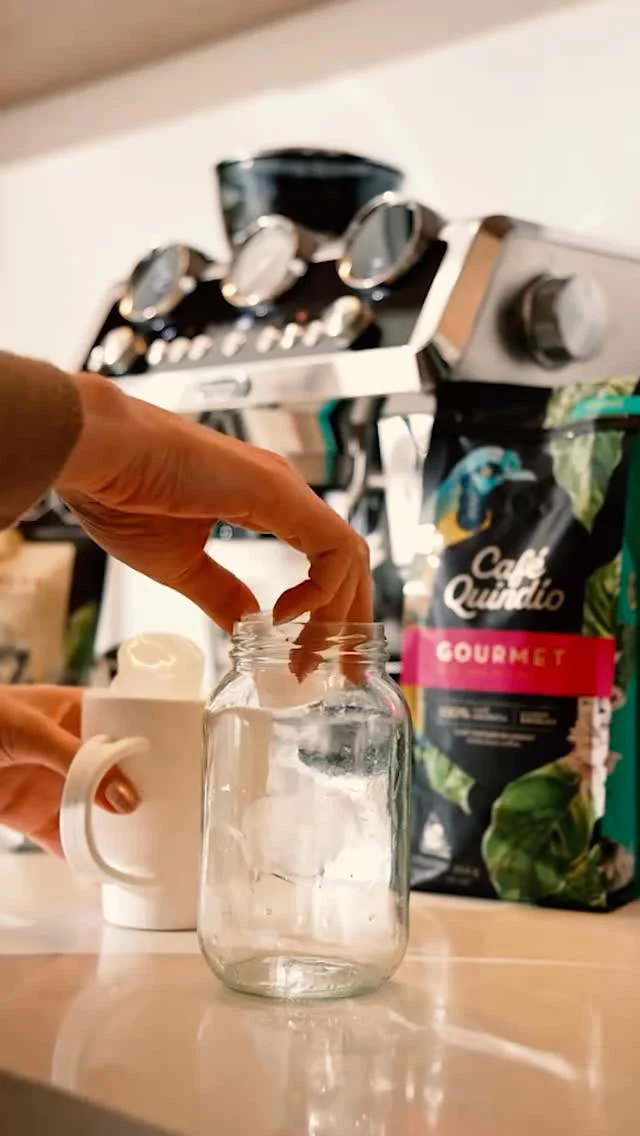
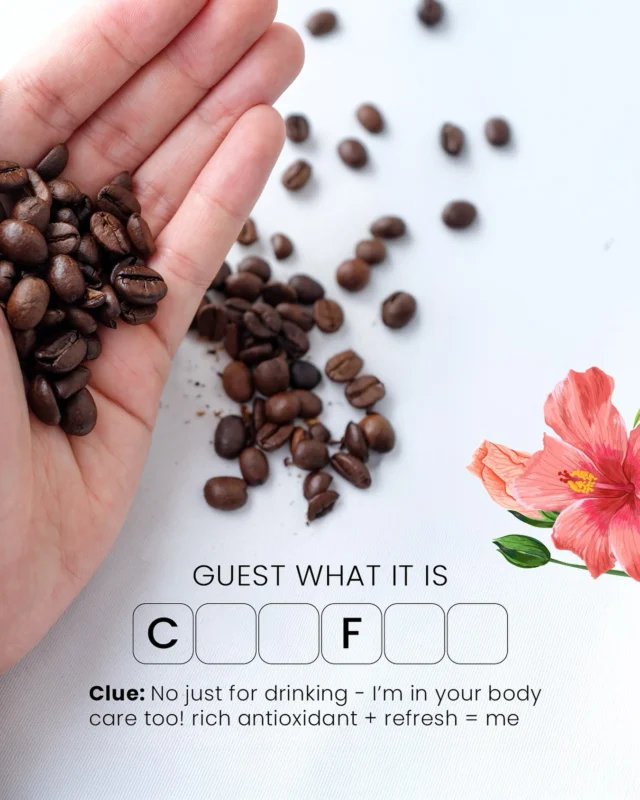
✨ Guess what it is? ✨
It’s not just for your morning cup… it’s also a star ingredient in your routine. ☕💆♀️
Rich in antioxidants, refreshing, and naturally energizing —
Yes, it’s COFFEE, the secret behind that glow you love.
🌸 Your self-care ritual starts here.
#CoffeeLovers #NaturalFlavor #NaturalGlow #EncantoCafe

☕ Indulge your senses with the irresistible aroma and bold flavor of our specialty coffee.
Smooth, rich, and perfectly balanced — every sip is pure seduction. ✨
Discover the finest coffee experience at Encanto Café → www.encantocafestore.com
#EncantoCafe #SpecialtyCoffee #CoffeeLovers #SensualBrew #AwakenYourSenses


In Flanders Fields
By John McCrae (1915)
In Flanders fields the poppies blow
Between the crosses, row on row,
That mark our place; and in the sky
The larks, still bravely singing, fly
Scarce heard amid the guns below.
We are the Dead. Short days ago
We lived, felt dawn, saw sunset glow,
Loved and were loved, and now we lie
In Flanders fields.
Take up our quarrel with the foe:
To you from failing hands we throw
The torch; be yours to hold it high.
If ye break faith with us who die
We shall not sleep, though poppies grow
In Flanders fields.
#remembranceday #lestweforget #remembrance #poppy


What a weekend! ☕️✨ We had such a great time sharing the true flavour of Encanto Colombian coffee at the @womenshow . Thank you to everyone who stopped by — your smiles made it even more special! 🇨🇴💛
Find all our premium coffees at encantocafestore.com — we ship all across Canada! 🇨🇦
#NationalWomensShow #ColombianCoffee #CafeQuindio #VancouverCoffee

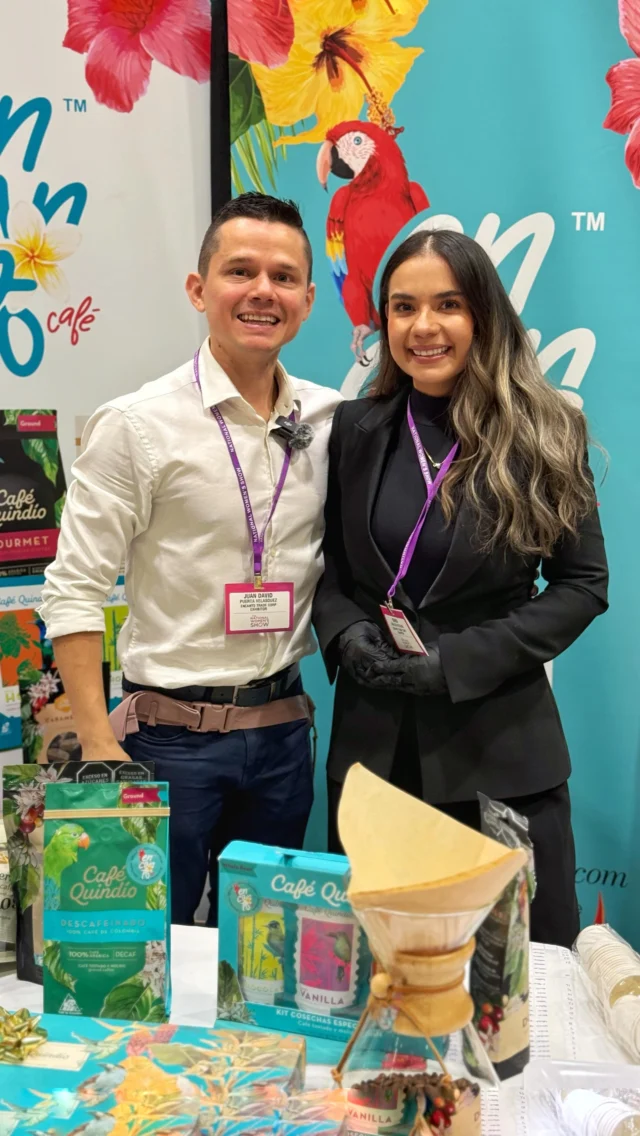
☕✨ Any plans for the weekend?
Join us at The National Women’s Show this November 8–9! 💃
Stop by the Encanto Café booth and discover the authentic flavors of specialty coffee from Quindío, Colombia. 🌿❤️
Don’t miss out — it’s going to be a weekend full of aroma, flavor, and pure encanto! 🌸
#EncantoCafe #NationalWomensShow #SpecialtyCoffee