Should Coffee Be Black? The Truth About Roasting and Why It Affects Flavor and Digestion
This question surprises many people, but it’s the starting point for understanding the invisible art behind a good roast. When you look closely at a coffee bean, very closely, even through a microscope: you discover details that almost always go unnoticed. One of these is a small line running down the center of the bean: […]
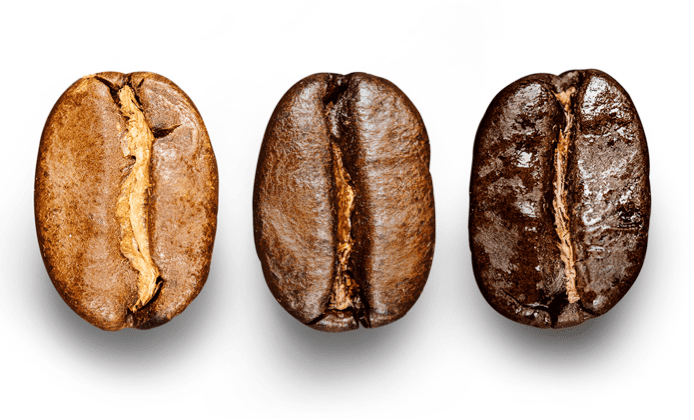
This question surprises many people, but it’s the starting point for understanding the invisible art behind a good roast.
When you look closely at a coffee bean, very closely, even through a microscope: you discover details that almost always go unnoticed. One of these is a small line running down the center of the bean: a crease that reveals much more than we imagine.
1. The Line That Tells More than You Can See
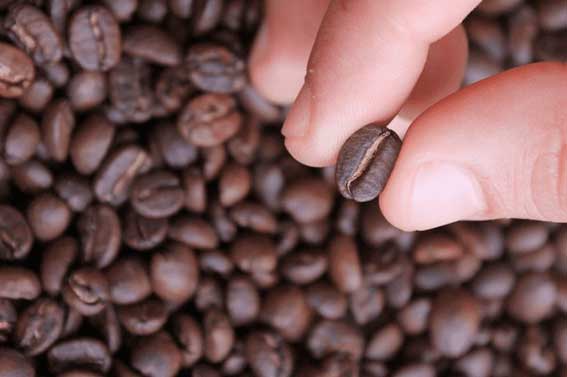
In a medium roast, this line remains defined, clear, and intact.
It signals that the bean still preserves its natural oils, its sugars, and its internal structure.
It represents the perfect balance between science and sensitivity: enough heat to awaken the aromas, but not so much that it destroys the core of the bean.
When coffee is taken to very dark roast levels, that line begins to disappear.
The structure breaks down, the oils burn, the sugars are destroyed, and the bean loses its identity.
This is why so many “very dark” coffees taste bitter, flat, or carbonized: what you’re tasting is not the origin… it’s the excess of heat.
The average consumer may not notice this difference visually.
But they definitely feel it.
2. The Roaster’s Craft.
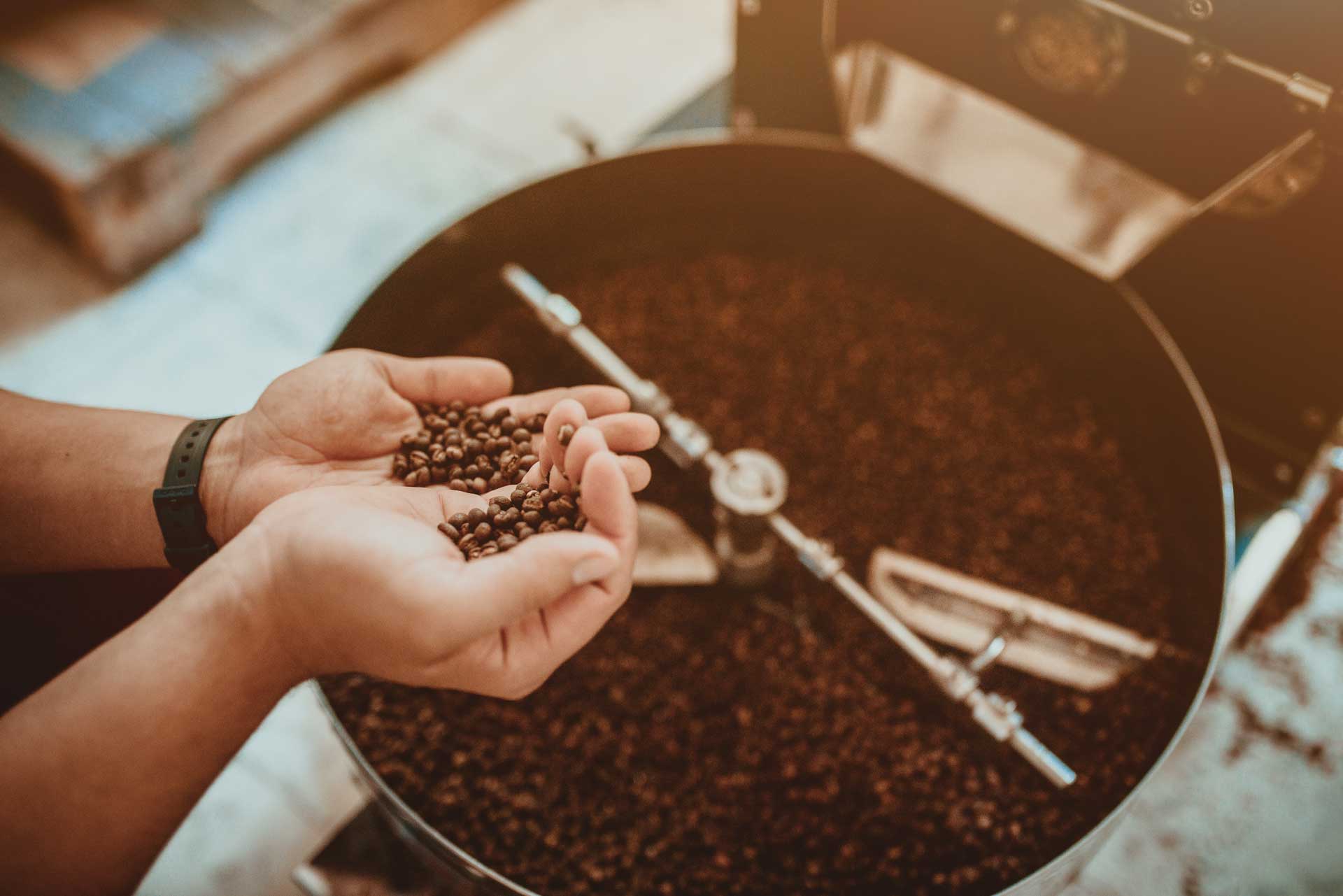
When we think about good coffee, we usually focus on origin, altitude, or processing.
However, there is a fundamental element that many people overlook: the roast —and behind that roast, a person making real-time decisions.
Roasting coffee is much more than “heating it up.”
It’s a craft that combines technique, observation, experience, and a sensitivity that cannot be learned from a book.
During roasting, the roaster pays attention to:
- the sound of the bean as it begins to open,
- the aromas that evolve minute by minute,
- the gradual change in color,
- the particular behavior of each batch.
Even though there are tools, temperature curves, and established times, no two roasts are exactly alike.
Each harvest and each bean reacts differently, and that’s where the roaster becomes an interpreter of the coffee.
A small decision —increasing or lowering the heat, extending the roast by a minute, stopping it at exactly the right second— can determine whether the final cup has clear, sweet notes… or ends up flat, bitter, or burnt.
This is why people say the roaster is the guardian of flavor.
The customer never sees their work, but always feels it:
- in the softness of the first sip,
- in the aroma rising from the cup,
- in the natural sweetness that doesn’t require sugar,
- in the sensation that the coffee feels “alive.”
A good roast isn’t a disguise;
it’s the most honest way to showcase a coffee’s origin.
3. What the Customer Feels Without Knowing It Comes From the Roast
One of the beautiful things about coffee is that you don’t need to be an expert to recognize a good cup.
Some coffees are naturally smooth, sweet, and balanced… while others taste bitter, burnt, or heavy from the very first sip.
Many people think this depends solely on the type of coffee or the brewing method, but in reality, a large part of the experience comes from the roast.
A well-executed roast allows the coffee to show its best:
- Natural sweetness
- Clean aromas (chocolate, fruit, floral, caramel)
- A round flavor without harsh bitterness
- A softer texture
- A bright but pleasant acidity
- A clean finish, without heaviness
When the roast is too dark, all those nuances disappear.
The coffee ends up tasting like smoke, charcoal, burnt wood, and flat notes that say nothing about its origin.
What’s fascinating is that consumers feel the difference, even if they can’t always explain it:
- “This coffee is smoother.”
- “This one smells better.”
- “This doesn’t upset my stomach.”
- “I don’t need sugar with this.”
- “It tastes cleaner.”
All of that is roasting.
The invisible work of the roaster, made visible in the cup.
Coffee doesn’t need to be strong to be good.
It needs to be well roasted.
4. The Myth of Black Coffee
For decades, many people believed coffee had to be black, strong, and almost bitter to be considered “real coffee.”
This idea comes from habit rather than true flavor.
In many households, coffee was roasted very dark in order to:
- make it last longer,
- mask defects in the beans.
This created a cultural habit: associating burnt flavor with quality.
But when we discover coffees of origin, well roasted and carefully processed, we learn something essential:
coffee doesn’t need an extreme roast to have character.
A dark roast:
- makes the flavor more bitter,
- adds burnt notes,
- eliminates pleasant acidity,
- destroys natural sweetness,
- and erases the sense of origin.
This is why so many people say:
- “Coffee upsets my stomach.”
- “It gives me acidity.”
- “It inflames me.”
- “It tastes too strong.”
And in most cases, the problem is not the coffee…
it’s the roast.
The best coffees in the world are roasted at medium levels, where the bean preserves its essence.
5. How to Recognize a Good Roast (Without Being an Expert)
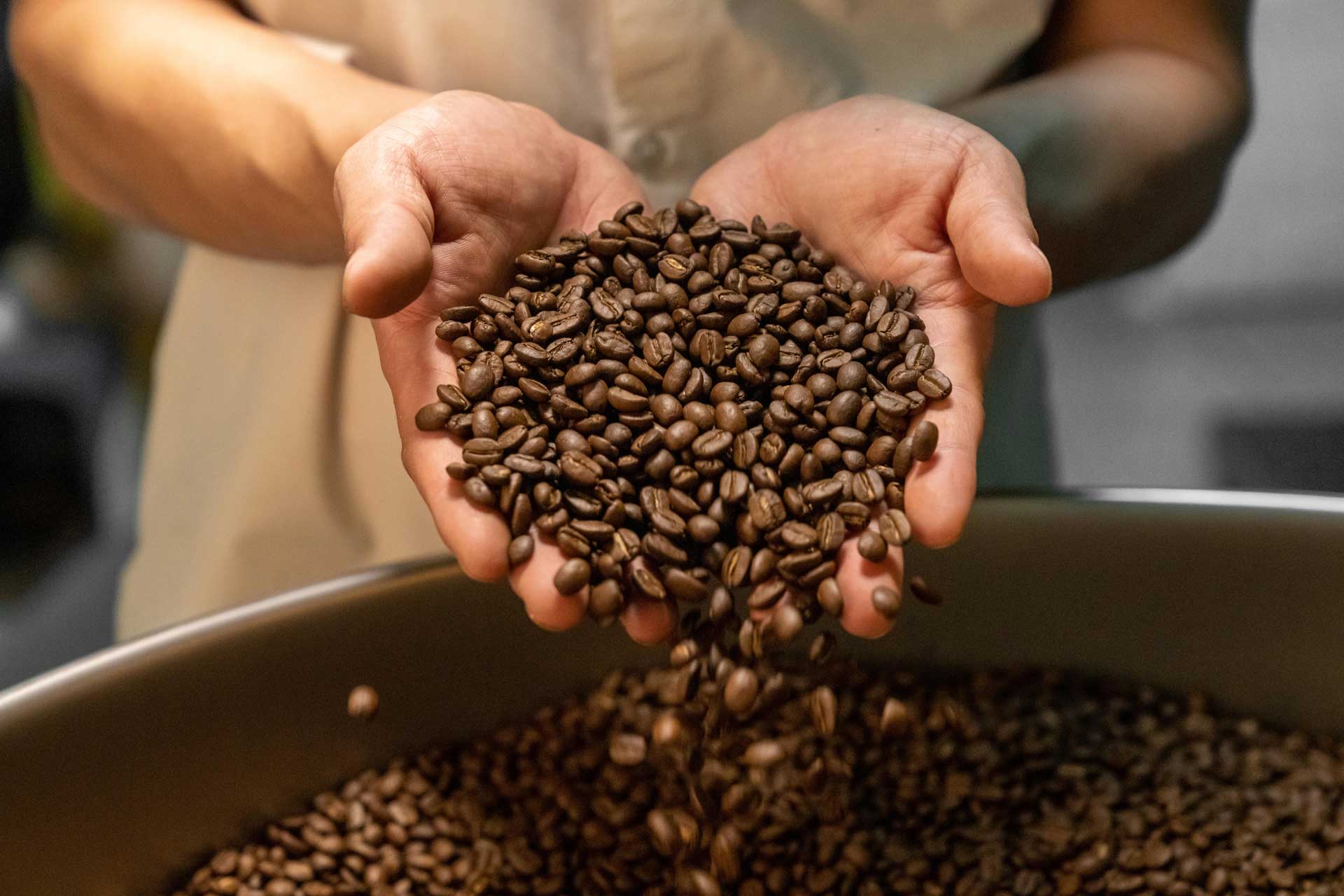
When coffee is well roasted, you notice it immediately:
Smoothness without losing character: A gentle yet expressive cup.
Natural sweetness: Sugars develop, they don’t burn.
Defined aromas: Cocoa, fruit, caramel, flowers… not smoke or charcoal.
Clean finish: Nothing bitter or heavy.
Better digestive tolerance: A balanced roast often feels lighter.
Recognizable origin: The cup reflects the farm, the variety, and the climate.
A good roast doesn’t try to hide the coffee.
It reveals it.
Understanding the Roast Is Understanding Coffee
Roasting is one of the most decisive steps in defining the quality of a cup.
It shapes the aroma, the flavor, the smoothness, the digestibility, and the entire experience.
Understanding it doesn’t require being a specialist —just knowing that every decision made during roasting affects what we feel when we drink coffee.
When the roast is respected, the coffee changes:
it becomes gentler, clearer, and more balanced.
And anyone can feel that difference —from someone who drinks coffee out of habit to someone who wants to understand it more deeply.
Roasting is a bridge between science and flavor.
A precise, almost silent craft that defines the true identity of a cup.
Understanding it is the first step toward choosing better, enjoying more, and discovering everything coffee can offer when it’s treated with the care it deserves.
✨ If you’re looking for a sign… pick a number ✨
👀 1, 2, 3 or 4… which one are you choosing today?
☕️ Maybe the sign you needed was a good cup of coffee and a little moment for yourself.
👇 Comment your number and we’ll tell you your message of the day.
#EncantoCafe #CoffeeTime #PickANumber

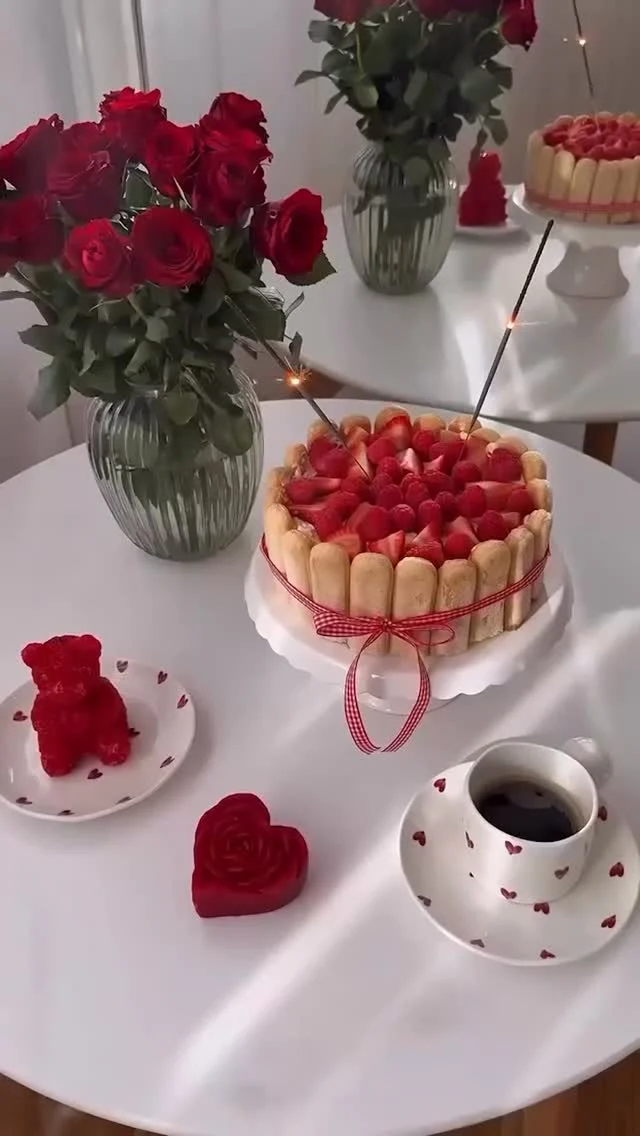
The best way to say “I love you” is with a cup of coffee… 💛
This Valentine’s Day, gift a warm, sweet moment full of love with Encanto Café ☕✨
💌 Encanto Café wishes you a Happy Valentine’s Day
Because love is also shared in every sip. 💞
#ValentinesDay #EncantoCafe #CoffeeWithLove #HappyValentinesDay

💝 The best way to surprise someone this Valentine’s Day… is with coffee.
The Barranquero Gift Set from Café Quindío is the perfect detail to share love through aroma, flavor, and a truly special moment. 🐦❤️
Find it at www.encantocafestore.com and make this February 14th unforgettable. ✨
#ValentinesDay #EncantoCafe #CafeQuindio #GiftSet


Por la mañana café…
Por la tarde ron… 🤭
Ops!! Oh mejor un latte ☕️
Porque lo único más poderoso que el odio es el amor… y tu café para despertar cada día. 🤎
🇨🇦 🇺🇸 🇲🇽
🇬🇹 🇧🇿 🇸🇻 🇭🇳 🇳🇮 🇨🇷 🇵🇦
🇨🇺 🇩🇴 🇭🇹 🇯🇲 🇧🇸 🇧🇧 🇹🇹 🇦🇬 🇩🇲 🇬🇩 🇰🇳 🇱🇨 🇻🇨
🇨🇴 🇻🇪 🇪🇨 🇵🇪 🇧🇴 🇨🇱 🇦🇷 🇺🇾 🇵🇾 🇧🇷 🇬🇾 🇸🇷
🇫🇷 🇩🇪 🇧🇪 🇳🇱 🇨🇭 🇦🇹
🇬🇧 🇮🇪
🇪🇸 🇮🇹 🇵🇹 🇬🇷
🇸🇪 🇳🇴 🇫🇮 🇩🇰
🇵🇱 🇺🇦 🇷🇴 🇭🇺 🇨🇿
In the morning, coffee…
In the afternoon, rum… 🤭
Oops!! Okay, maybe a latte instead ☕️
Because the only thing more powerful than hate is love… and your coffee to wake you up every day.
@nflcanada @nfl @badbunnypr
#SuperBowl #BadBunny #CulturaLatina #CoffeeLovers #MorningRitual


What is love to you? ☕❤️
Maybe it’s that first cup shared in the morning, a conversation with no rush, or the simple ritual of making coffee for someone special. ✨
For us, love lives in those small moments best enjoyed with a cup of coffee in hand.
Tell us… what is love to you, through a cup of coffee? 🤍☕
#WhatIsLove #LoveInEveryCup #EncantoCafe


💗 Pink Coffee for Valentine’s Day ☕💗
Because love can also be brewed… and shared in a cup.
This Valentine’s Day, surprise your favorite person with a pink coffee, the perfect recipe for a sweet and meaningful moment. ✨
Step by step 💕
1️⃣ Brew a cup of Encanto Café hot coffee. ☕
2️⃣ Heat the milk of your choice and add a touch of vanilla or strawberry syrup. 🥛🍓
3️⃣ Add a few drops of natural pink coloring or beetroot powder to get that romantic hue. 💗
4️⃣ Froth the milk and gently pour it over the coffee.
5️⃣ Top with whipped cream, white chocolate, or heart-shaped sprinkles. 🤍🍫
Share it with someone you love and turn a simple cup of coffee into a Valentine’s moment. 🤍☕
#ValentinesDay #PinkCoffee #LoveInEveryCup #EncantoCafe

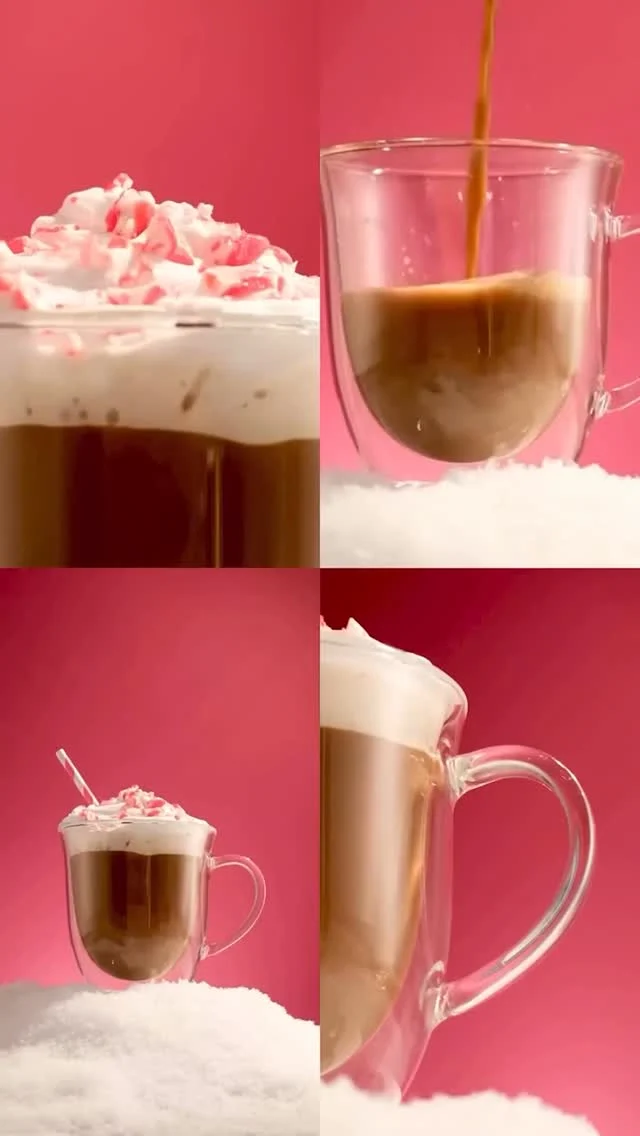
Sharing a cup of coffee is also a way of saying I love you. ☕❤️
It’s gifting a pause, an unhurried conversation, and a moment that lingers in the heart.
This Valentine’s Day, celebrate love in its simplest and most genuine form: one cup of coffee, great company, and a story shared. ✨
At Encanto Café, we believe love tastes better when it’s shared. 🤍
#ValentinesDay #LoveInEveryCup #EncantoCafe


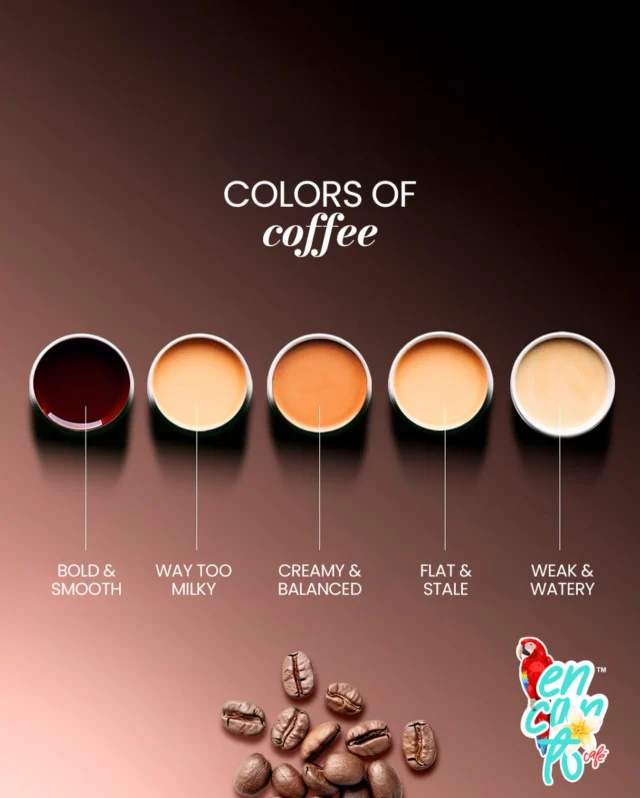
🌟 It’s not the color of the coffee… It’s its body speaking.
The tone in the cup reveals how the coffee will feel on your palate.
The shade of the brew speaks about its body:
darker → a more enveloping, structured sensation
lighter → a more delicate, subtle texture
Body is the weight of the coffee on your tongue,
the trace it leaves as it passes:
silky? creamy? light as water?
Stronger isn’t always better.
The real magic appears where texture, depth, and harmony meet.
Learning to see body… is the beginning of tasting coffee with new eyes.
The perfect cup lives in harmony, where colour, flavour, and soul meet. 🩵☕
Which coffee tone defines your perfect
moment? 👀👇
#encantocafestore #ColorsOfCoffee #encantocafé
#CoffeeBalance

Cold, refreshing, and full of flavor… that’s how
we like our coffee at Encanto Café ❄☕
Now the real question 👀👇
Which team are you?
🤍 Team Iced Latte: creamy, smooth, and
perfectly balanced
🖤 Team Iced Coffee: bold, refreshing, and
full of character
Tell us in the comments! 👇☕
#EncantoCafé #IcedLatte #IcedCoffee
#CoffeeLovers


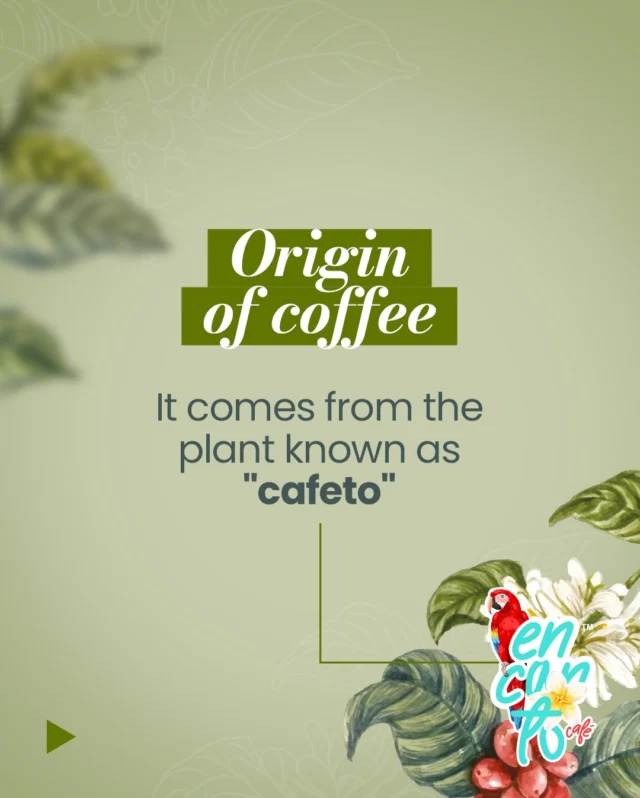
Every coffee begins with its origin.
In the mountains, where sun, soil, and time quietly come together, coffee takes shape. Each bean reflects the land it comes from, the care behind its harvest, and a tradition shaped over generations.
At Encanto Café, we believe understanding where coffee comes from deepens the ritual of drinking it. That’s why we value origin, process, and knowledge, not just in coffee, but in every choice we make.
Because the true charm of coffee begins long before the first sip. ☕️👌🏼💝

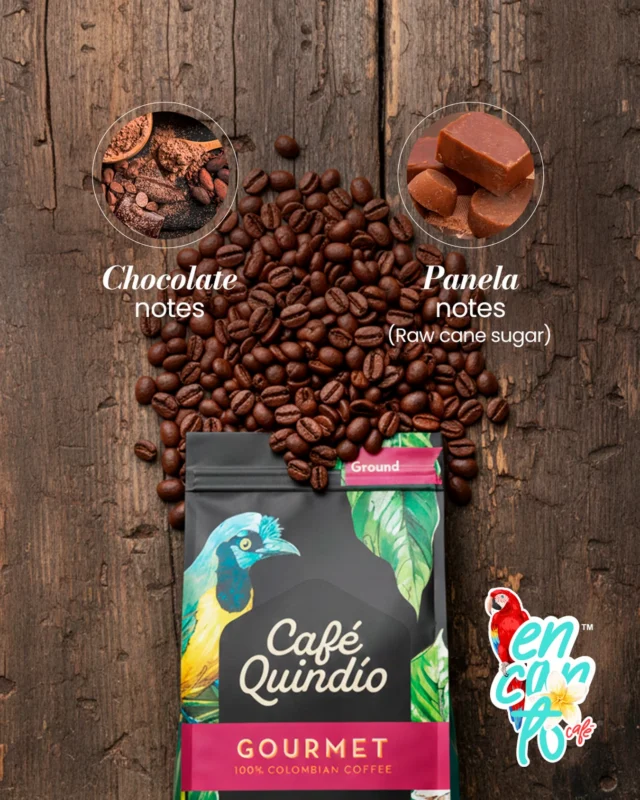
Chocolate notes. Panela notes. ☕✨
Colombian coffees are often recognized for their warmth and natural sweetness, shaped by fertile soils, balanced altitudes, and generations of coffee tradition.
This Gourmet coffee by Café Quindío features a classic flavor profile with notes of chocolate and panela, offering a smooth, balanced, and comforting cup.
A simple expression of Colombian coffee; where origin and flavor speak for themselves.
Flavor profile: 🍫 Chocolate | 🍯 Panela
#encantocafe #encantocafestore #ColombianCoffee #CoffeeNotes CoffeeCulture

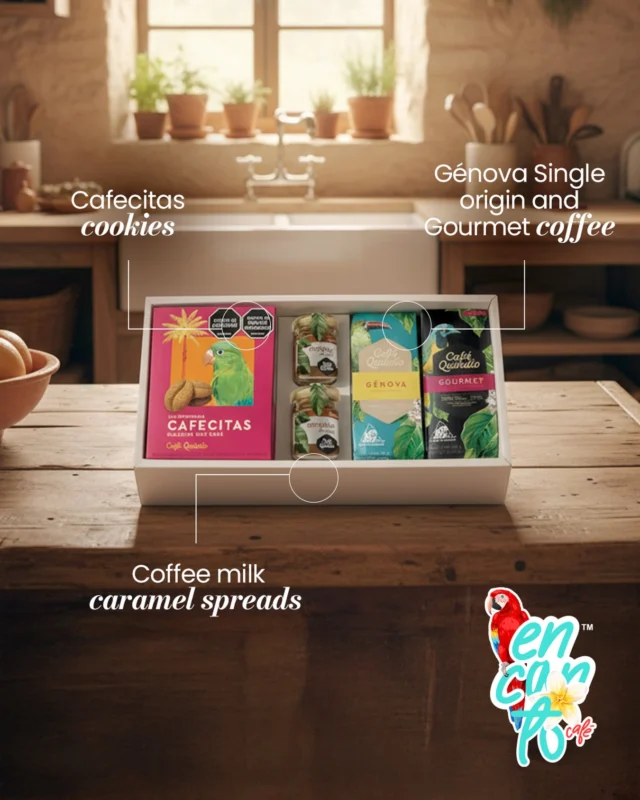
The Barranquero Gift Set is our way of sharing the most authentic flavours of Colombia’s coffee heartland, Café Quindío ✨
Inspired by the Barranquero, a vibrant bird native to Colombia 🐦💛, this gift set represents joy, warmth, and connection, values that live in every coffee moment we create.
Inside, you’ll discover carefully curated coffees and coffee-inspired treats:
🔹(1) Gourmet Coffee – 80 g
A smooth, well-balanced Colombian coffee, ideal for everyday brewing.
🔸 (1)Génova Single-Origin Coffee – 80 g
A distinctive coffee from the Génova region, offering a more expressive and refined flavour profile.
🔹(2) Coffee Milk Caramel Spread (Dulce de Leche with Coffee) – 40 g each
A creamy, indulgent spread infused with Colombian coffee, perfect for toast, desserts, or pairing with coffee.
🔹(1) Cafecitas Coffee Cookies – 70 g
Delicate cookies with subtle coffee notes, made to complement your cup.
A warm and elegant gift that turns Colombian coffee into a shared experience.

At Encanto Café, we believe every coffee tells a story.
A story born in the land, crafted with care, and shared with you in every sip. 🌱🤎
Because it’s not just coffee—it’s the pause, the moment, and the connection you create.
Come discover the story waiting for you in today’s cup. ☕✨
#EncantoCafé #EveryCoffeeTellsAStory #CoffeeMoments

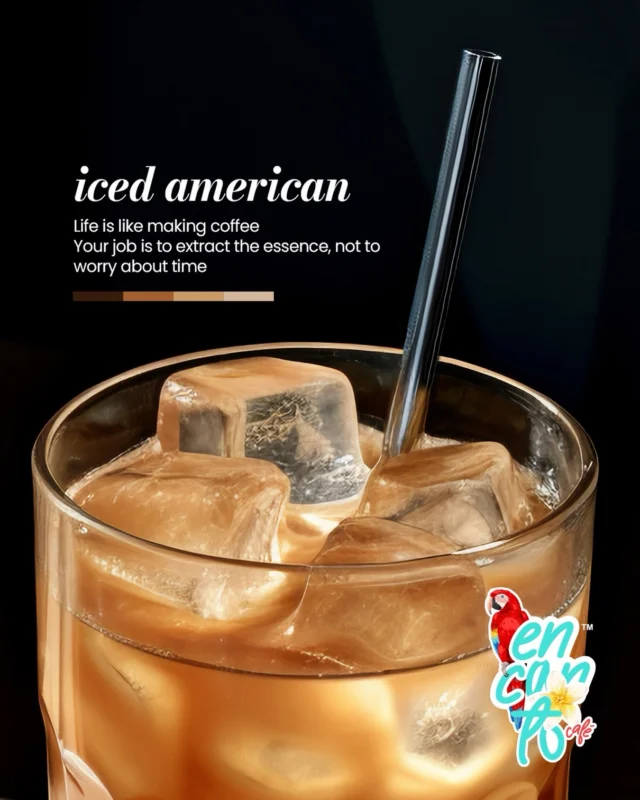
At Encanto Café, we believe the best mornings start with great coffee—and our Iced Americano is the perfect way to begin.
Refreshing, light, and naturally energizing, it helps boost focus, awaken your mind, and kick-start your day without extra calories or sugar.
Just pure coffee over ice, made to keep you going from the very first sip ✨
Start your day cool, with a little extra charm.
#EncantoCafe #IcedAmericano #CoffeeLovers

Big news! 🤍
Encanto Café Store is now available on Amazon 🛒✨
Enjoy your favorite Colombian coffee in an easier and faster way, delivered straight to your door.
Find us on Amazon as Encanto Café Store and let every cup fill your day with aroma, flavor, and encanto. ☕💛
#EncantoCafe #NowOnAmazon #ColombianCoffee


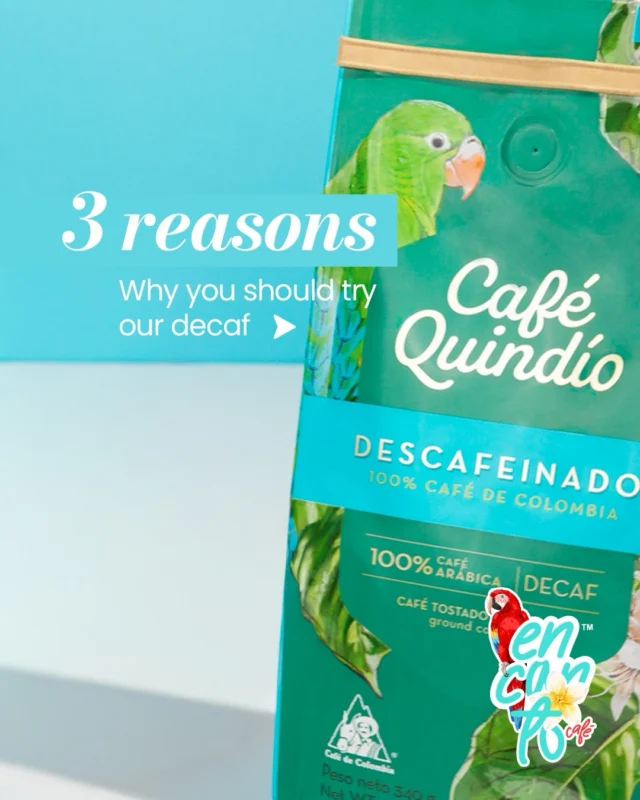
From the heart of Quindío 💚 at Encanto Café, we bring you a decaf coffee that keeps all the flavour—without the caffeine.
Smooth, naturally processed 🌿 with sweet cocoa and nutty notes 🤎✨ Perfect for mindful moments, any time of day.
☕ Relax. Sip. Enjoy.
#EncantoCafe #DecafCoffee #CafeQuindio

Shhh… listen closely 👂☕
At Encanto Café, every sound tells a story: freshly ground beans, hot water pouring, coffee blooming slowly…
A moment to pause, breathe, and let the aroma do the talking 🤎✨
Turn the volume up and let your coffee cravings begin.
#EncantoCafe #CoffeeASMR #CoffeeLovers


✨ As we close the year, we’re grateful for every shared story, every smile, and every warm cup of coffee that brought us together.
Moments made slower, conversations made deeper, and memories brewed with love.
We’re ready to welcome new beginnings, new dreams, and many more moments to share.
☕✨ Happy New Year from Encanto Café ✨☕
#HappyNewYear #EncantoCafé #CoffeeWithHeart


Don’t miss out! ☕✨
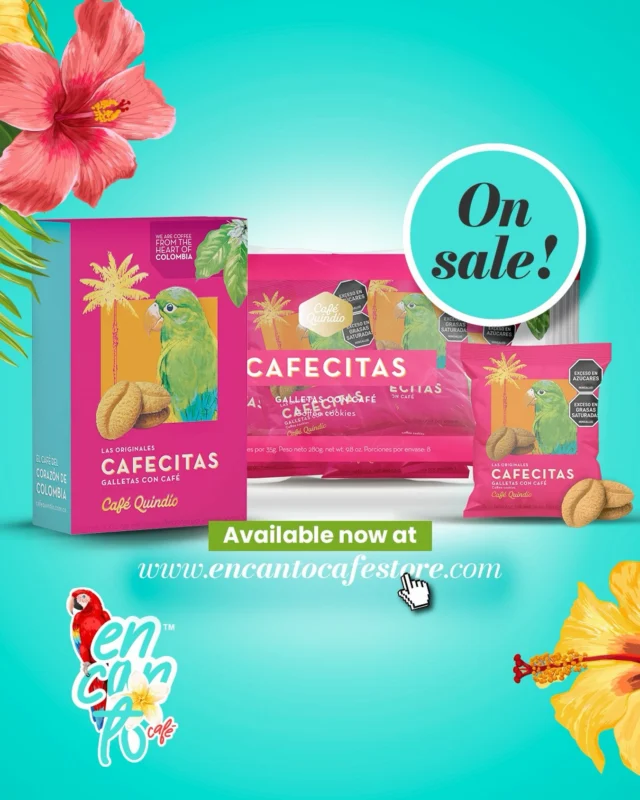
Our beloved Cafecitas are now on SALE for a limited time — the perfect excuse to stock up on your favorite coffee moments. Rich flavor, cozy vibes, and that little daily ritual you love… now at a special price.
Shop before it’s gone and treat yourself (or someone you love).
Available for a limited time at 👉 www.encantocafestore.com
☕💛 Your cafecita moment starts here.

What’s your coffee mood today? ☕✨
Smooth and comforting, bold and intense, or sweet and cozy…
At Encanto Café, there’s a perfect cup for every mood.
Tell us—how are you enjoying your coffee today? 🤍
#EncantoCafe #CoffeeMood #CoffeeLovers #DailyCoffee